
Get a selfie of your best customer.

ID-100184512

Stock images at FreeDigitalPhotos.net

Would you recognize your best customers? Do you know what they look like? Why not have them send in a selfie?

Okay, scratch the selfie idea. But even if they don’t send you a selfie, you should recognize their attributes and their value. The top 20% of your customers often represent 80% of your business. By recognizing who they are and what is important to them, you can strive to attract even more customers who look like your best customers. Here are a few ways to do it:

1. Clone your best customers. When choosing ad demographics or lists, choose segments that most closely match the demographics, interests and behaviors of your best customers. That way you can create “clones” that look like them.

2. Tailor content to your best customers. Find out what kinds of content your best customers like to read or view. Hit on the topics and types of content that they respond to most. This will also attract similar prospects.

3. Encourage other customers to be like best customers. Look at the behaviors and transaction frequency of your best customers. Identify customers who don’t quite behave like your best customers and feed them offers and incentives to act like your best customers. Use trigger dates to get them to visit or shop as often as your best customers.

4. Listen to your best customers. Do you survey your best customers? In addition to tracking their behaviors, it’s always a good idea to find out what they want by simply asking them. Find out exactly what their preferences are. Find out whether they are satisfied with your products or services. Also find out if they would recommend you to their friends.

5. Think like your best customers. Don’t forget to put yourself in your customer’s shoes. Try to figure out what you would want if you were the customer. Think critically. Try to predict what your customers will be asking for before they ask.

Email frequency: How often should you hit their inbox?

ID-100178869

Stuart Miles/FreeDigitalPhotos.net

It’s a simple question: “How often should I send my marketing emails?”

Do a quick Internet search and you’ll see a lot of simple answers—once a week, once a month, etc.

Problem is, it’s not a simple answer. The first thing you need to ask is whether these emails are going to prospects, leads or customers. You’ll want a different communication strategy for each.

For prospects, you can certainly hit them multiple times over weeks or months. In fact, in this article, tEkk3 explains why frequency matters more than reach. In other words, mailing the same prospects multiple times can be more beneficial than mailing one larger mailing list once. But that doesn’t mean you can mail the same list forever. As pointed out in this MailChimp article, frequency and engagement are negatively correlated.

Now let’s think about leads. Someone has responded to you and provided their email and wants to know more. Perfect. Because this person has just asked you for more information, they are expecting it. In fact, you may have already informed them they you would be sending several follow-up emails at the time they opted in. So for this type of contact, communicating frequently in the short-term is okay, and expected.

There are actually many forms of lead nurturing, from a “drip campaign” to a “lifecycle campaign.” Marketo has a good Marketing Cheat Sheet about lead nurturing that goes into more detail on definitions, tracks and strategies. Take a look.

Depending on the type of product or service you offer, you may set up a lead nurturing track that communicates every few hours, days or weeks. You may have a 30-day nurture strategy, or a 180-day nurture strategy. Remember, with lead nurturing you can usually email frequently, especially in the first few days or weeks after they opt in.

Finally, you have your current customers. With this group, you may also have individual communication strategies for each segment of customers (new, active, win back, etc.). But overall, you’ll want to keep in contact with them as frequently as they would like you to. Once or twice a month may be appropriate.

Benchmark also has some good suggestions on how often to send email, as well as when to send it. Once every week or two is the most common. For high frequency emailers, your customers may be okay with two or three emails a week.

Remember: Keep your type of recipient in mind, build a contact strategy for each type, and then be consistent.

The opposite of loyalty: Dealing with unhappy customers.

Yesterday, the host of a local radio show exposed a family secret. While growing up, his father did not put up with inferior customer service. In fact, anytime he felt wronged by a company—a hotel, restaurant or retailer—he banned them for life! He not only cut off his complete patronage of the company, he also asked his kids (including the one telling the story) to do the same. To never set foot in that business again.

Today, customers who don’t feel the love, not only share their ill feelings with the store manager or sales rep, they share them with the world.

As marketers, we need to help clients understand how to identify unhappy customers instead of failing to recognize those who raise their hands and say “I had a bad experience with your company.” We need to react to early messages, either directly or on social media, with empathy and special treatment.

An unhappy customer could always mount a campaign that you might call “the opposite of loyalty,” making sure that everyone he/she knows is aware of his/her poor treatment. Several prominent cases exist in this social age, where customers used the power of the Internet to bad mouth companies for years.

Many articles like this one from Social Media Examiner, explain how companies can use channels like Twitter to respond to customers quickly with good customer service. That’s a much better option.

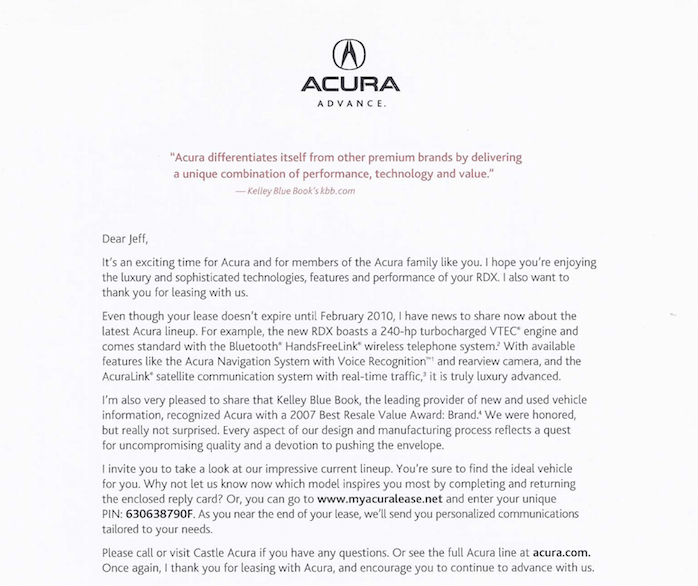
Building a customer retention program for people, dogs and cats.

Banfield Animal Hospitals asked our agency to design and implement a database-driven customer retention program as a test with 100 of its locations nationwide. If successful, it was to roll out to nearly 800 locations.

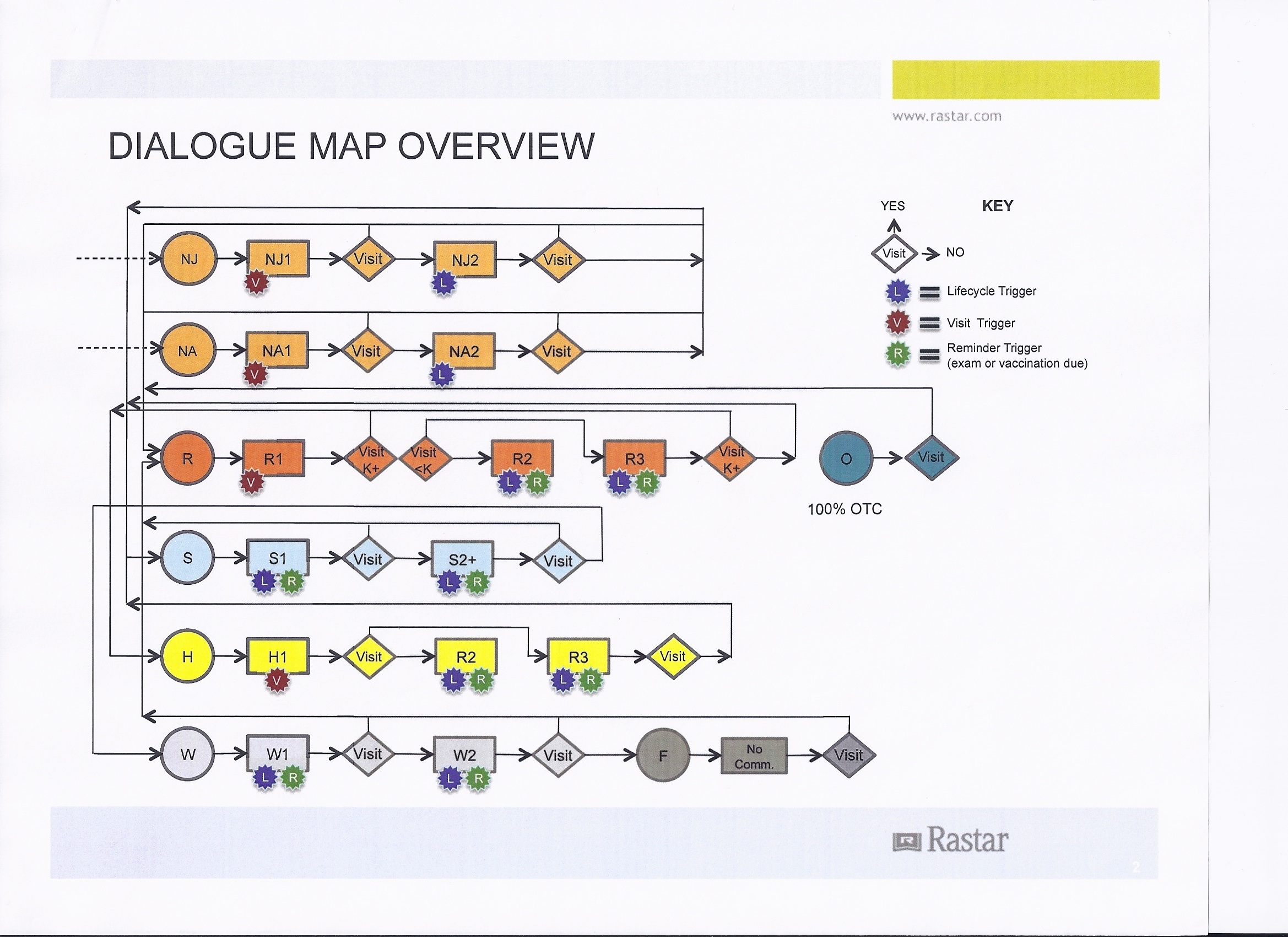
As part of the strategy team, I put together communication flows representing the different customer segments and proposed automation. Segments included New, Rising, High Value, Struggling and Win Back. Pet types of Dog, Puppy, Cat and Kitten were given their own rules as to how they fit into these segments.

Banfield_Comm_Flow

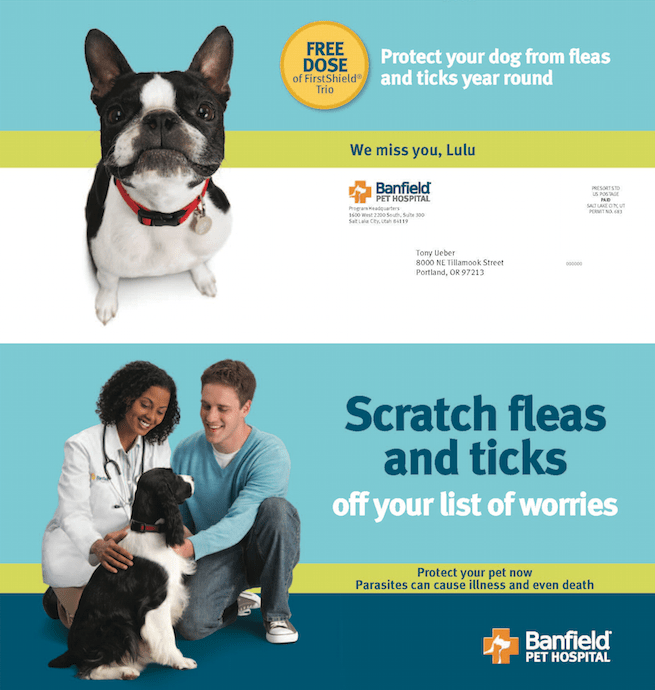
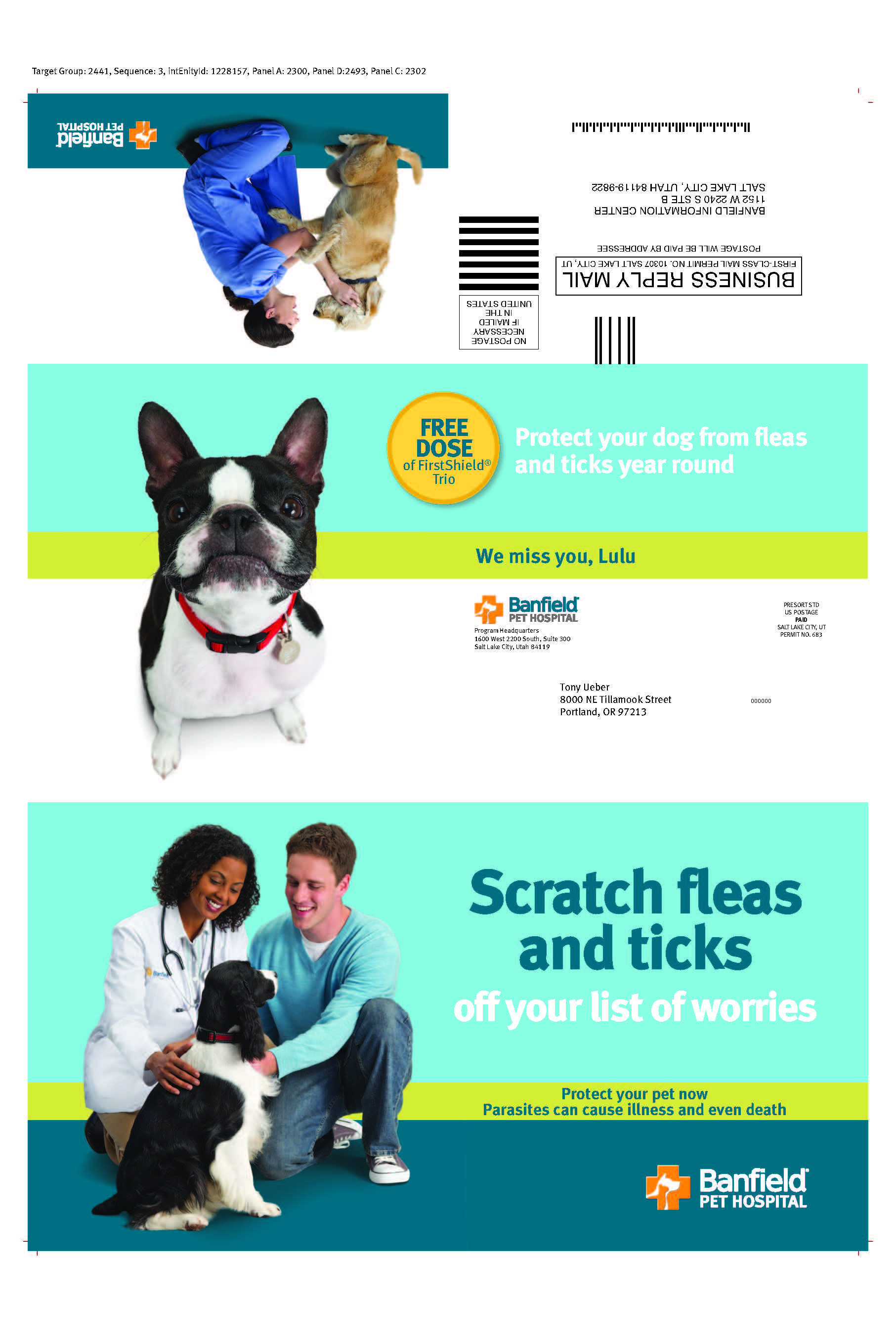
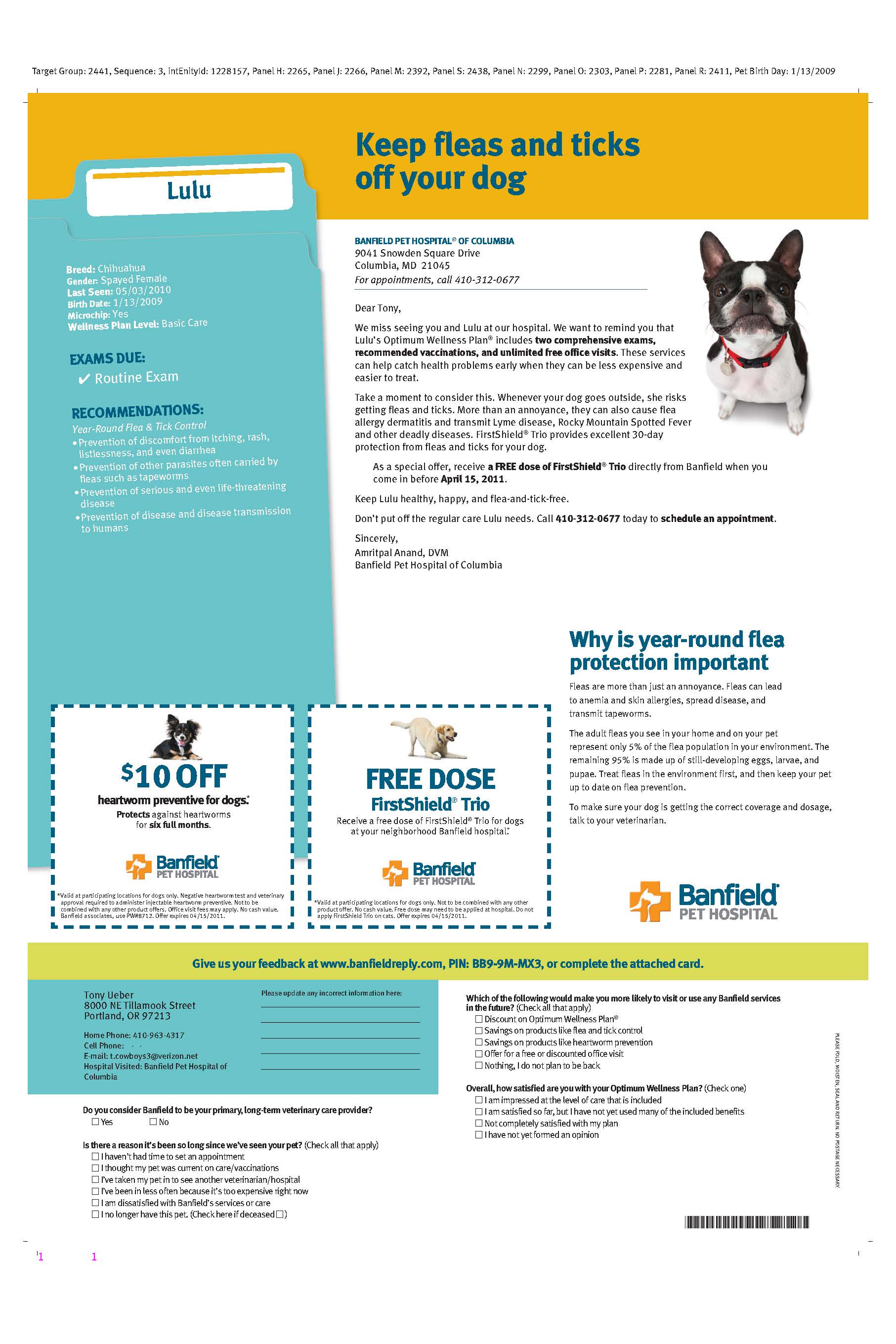
The creative team put together templates for direct mail and email, with almost every text box and image being a variable that would call in images, offers, suggested services, suggested products, tips, etc. based on the data. The number of possible combinations of content numbered in the hundreds of thousands.

Banfield_Variable_Lulu_Page_1

The calculated lift of hospitals using the retention program proved that the program was effective. Plans were put in place to roll out the program to all hospitals.

Banfield_Variable_Lulu_Page_2

Email Jeff